
Tarot Tips and Tricks For Beginners
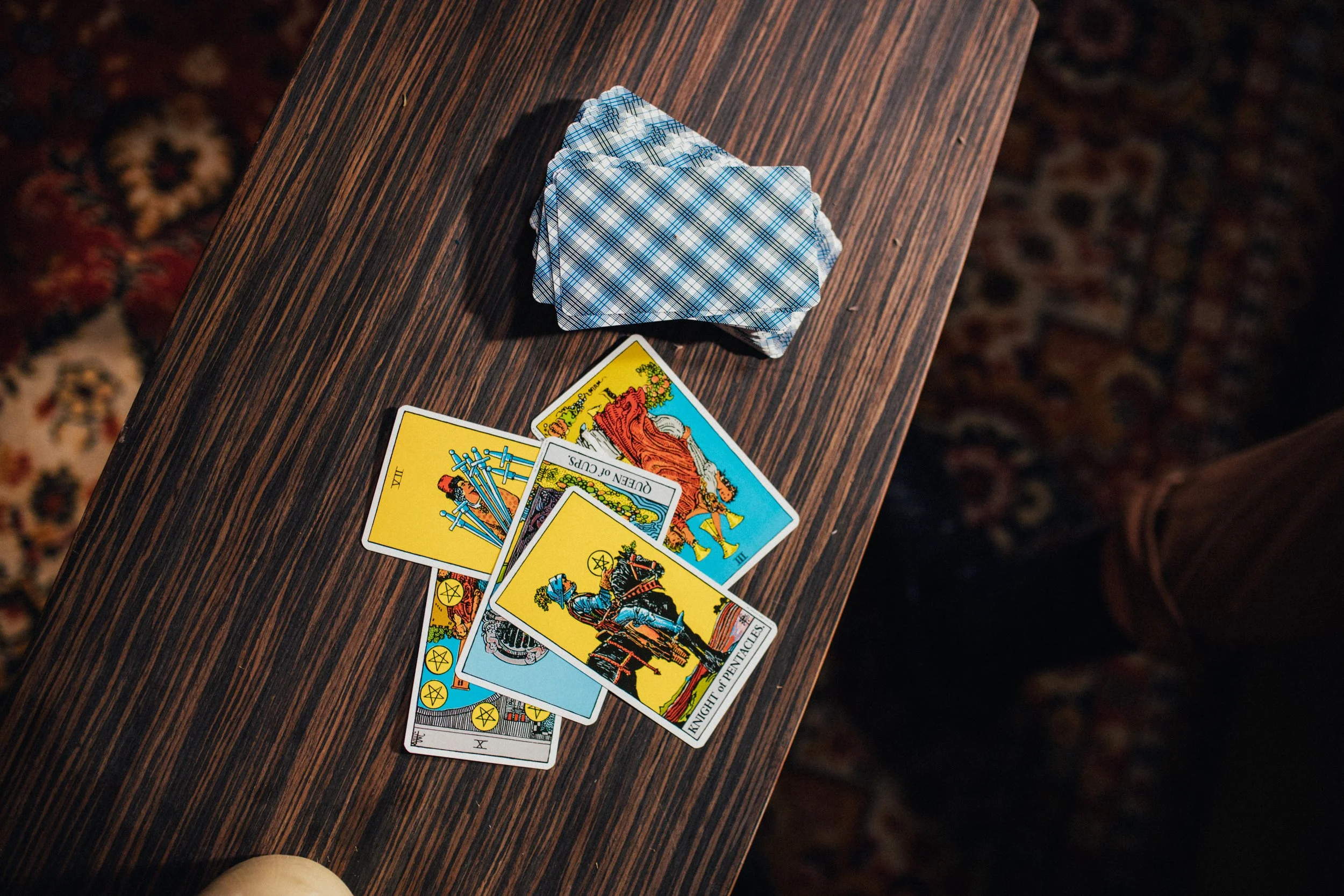
Tarot Tips and Tricks For Beginners
Learning the tarot is a rewarding practice but often overwhelming in the beginning stages. Each card contains symbolism and a depth that feels like an infinite pool of meaning. Learning the card meanings and how each card interacts with the other can also be challenging. The best way to learn tarot is to practice readings and understand a few key tricks and tips that will help you better understand the cards and provide you with a guide.
The Difference Between the Major and Minor Arcana
You'll likely pull both major and minor arcana cards in a reading. The major arcana represents the major life theme, lesson, or change. The minor arcana represent which areas of your life or in what ways you will experience these changes.
Say you pulled two cards, The Tower card (major arcana) and the Four of Wands (minor arcana). The tower represents a complete breakdown of your current foundation and upheaval of what you've always known to be true. The Four wands represent marriage, home life, and celebration. In this reading, the tower indicates that you will experience the destruction of some kind within your marriage or family unit.
The Minor Arcana Elements
The minor arcana represent the four elements of life.
Wands – Fire, Passion, Ambition, Impulsiveness, Anger
Cups: Water, Emotions, Connection, Communication, Letting go.
Swords – Air, Thought, Ideas, Disconnection, Invention
Pentacles – Earth, Money, Stability, Health,
Each of these elements can help guide you towards understanding the underlying energies of a reading. For example, wands could indicate a fire zodiac sign and suggest passion, anger, and impulsiveness.
Tapping into Your Intuition
In the beginning stages of your tarot journey, before learning the card descriptions, it's important to let your intuition guide you towards understanding them. If you have already begun, try to disassociate the cards with what you've learned. Shuffle the deck, then study each card individually. Pay attention to how the imagery and symbols make you feel. Note any thoughts or emotions, and try to hold on to these when doing your readings. Tarot is very personal, and the cards are meant to evoke information from the depths of our minds. Card descriptions are important, but your intuition can be used to pick up on information that isn't necessarily part of the traditional descriptions and help you provide a more unique and genuine reading.
Card Reversals
At some point in your practice, you'll be presented with the choice to use tarot card reversals in your reading or not. Reversals are when you draw a card that is upside down. These reversed cards hold a different meaning than their upright position and can often describe different challenges in a situation. Not all reversals deal with challenges; some describe the need to let go, move on, and self-reflecting. Incorporating reversals into your reading can help you get a more in-depth answer while allowing you to understand the full picture of a situation.
Time To Practice
Using these tips and tricks in your readings will help accelerate your practice and help you become a skilled reader. Tarot is a study meant to be a journey, not a race. Take your time to understand the cards, strengthen your intuition, and gain maturity for stringing together the different messages tarot can provide. Tarot is a tool that can help empower you in all areas of your life, but it takes time and effort to be able to receive these rewards.